Interlocking Pavers vs. Poured Concrete for Commercial Properties
People searching for interlocking pavers installation are often looking to enhance durability and appearance, and local contractors can help determine the best option for commercial properties.
Choosing between interlocking pavers and poured concrete for commercial properties is a decision many property owners in the area consider when planning upgrades or new installations. Whether for parking lots, walkways, or outdoor gathering spaces, understanding the differences can help ensure the final result meets both aesthetic and practical needs. Local contractors who specialize in interlocking pavers installation can provide valuable insights into how these options compare in terms of durability, maintenance, and visual appeal, helping property owners make informed choices that enhance their property's functionality and appearance.
Exploring this topic further can reveal how each material performs under local conditions and how installation methods impact long-term performance. Property owners interested in durability, design flexibility, or ease of repairs may find that working with experienced service providers makes a significant difference. Keep reading to discover practical considerations and how local pros can assist in selecting the best paving solution to meet specific commercial needs.
- Commercial parking lots - property owners considering interlocking pavers vs. poured concrete for commercial properties can rely on local contractors to evaluate durability and aesthetic appeal based on usage needs.
- Sidewalk and walkway installations - businesses seeking attractive, slip-resistant pathways often turn to local service providers experienced in installing interlocking pavers for enhanced visual impact.
- Loading dock areas - commercial facilities needing resilient surfaces to withstand heavy traffic may find local pros skilled in installing interlocking pavers that provide superior load distribution.
- Outdoor plaza and public space projects - organizations planning to create inviting, low-maintenance outdoor areas often work with local contractors who specialize in interlocking pavers for design flexibility.
- Patio and outdoor seating areas - property managers exploring options for durable, decorative surfaces prefer local service providers experienced in interlocking pavers versus poured concrete for commercial use.
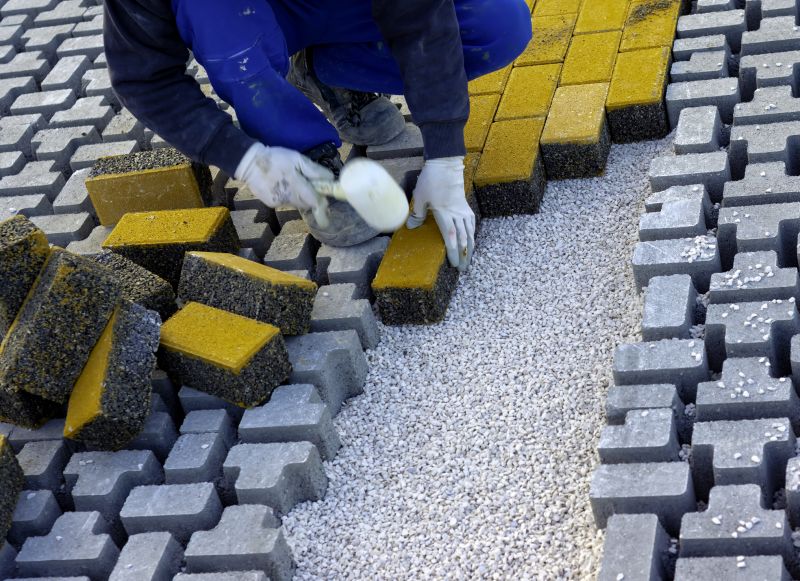
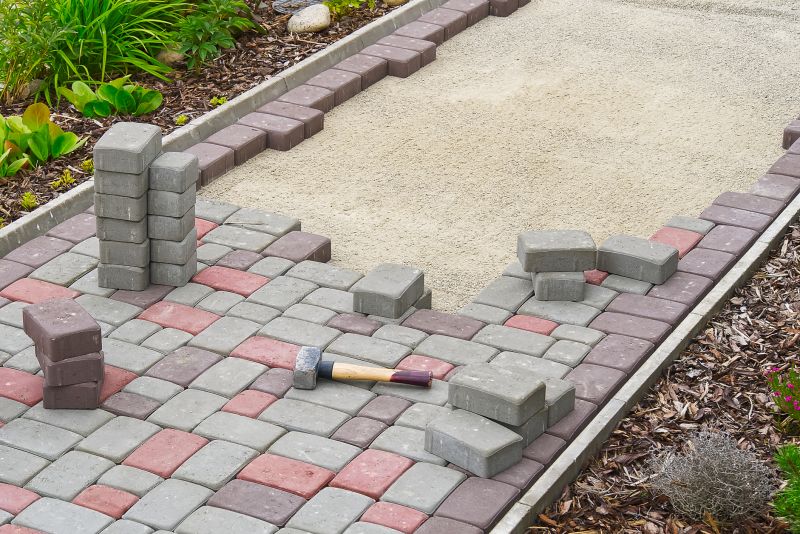
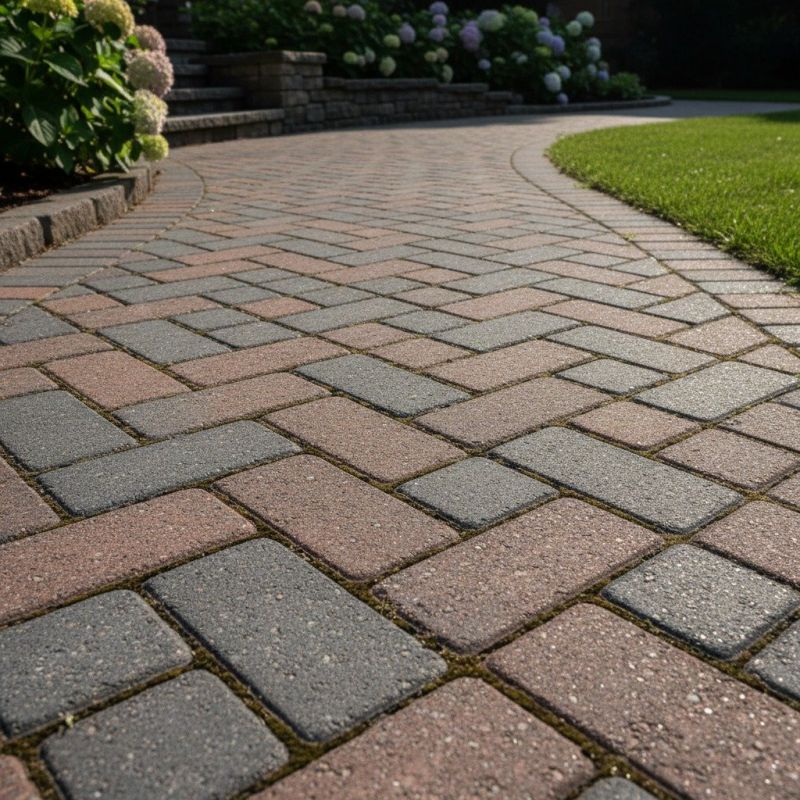
When searching for information on interlocking pavers vs. poured concrete for commercial properties, people are often exploring options for upgrading or installing durable surfaces that can handle heavy foot or vehicle traffic. This comparison typically comes up during planning for parking lots, walkways, plazas, or outdoor retail spaces. Property owners and managers want to understand the benefits and drawbacks of each material to ensure the final surface meets their needs for longevity, aesthetics, and maintenance. The decision can influence the overall appearance of the property, its safety, and how well it withstands daily wear and tear, making this a common consideration in commercial property improvement projects.
These topics are closely related to specific problems or plans involving surface durability, cost-effectiveness, and visual appeal. For example, a business might need a parking lot that resists cracking and shifting over time, or a retail plaza that maintains a professional look despite heavy use. Questions often arise about how each material handles weather conditions, ease of repair, and potential for customization. Local contractors who specialize in commercial paving are often sought out to help evaluate these factors, providing insights into which option aligns best with the property’s usage and aesthetic goals. Understanding these differences helps property owners make informed decisions that support long-term functionality and appearance.
The types of properties that frequently come into consideration include retail centers, office complexes, industrial parks, and multi-unit residential developments. These properties typically require large paved areas capable of supporting significant traffic loads. Parking lots are among the most common projects where interlocking pavers and poured concrete are compared, as well as outdoor walkways and plaza spaces. Each property type presents unique challenges, such as the need for slip resistance, ease of maintenance, or the ability to accommodate future expansion. Local service providers who install interlocking pavers or poured concrete can help property owners assess which material best suits the specific demands of their property, ensuring a durable and visually appealing surface.
For property owners and managers, understanding the practical differences between interlocking pavers and poured concrete is essential to planning successful projects. Interlocking pavers are often valued for their aesthetic versatility and ease of repair, since individual units can be replaced if damaged. Poured concrete, on the other hand, offers a smooth, seamless surface that can be poured in various finishes, making it suitable for large, uniform areas. Local contractors who specialize in commercial paving can assist in evaluating factors such as load capacity, maintenance needs, and design preferences. By working with experienced professionals, property owners can choose the best material for their specific project, ensuring that the surface remains functional and attractive for years to come.
Parking lot paving projects - local contractors experienced in interlocking pavers and poured concrete can help design durable, functional surfaces for commercial parking areas.
Sidewalk and walkway installations - professionals skilled in paving materials can assist in creating accessible, attractive pathways that complement commercial properties.
Outdoor plaza and courtyard designs - service providers familiar with paver installation can craft visually appealing and long-lasting communal spaces for businesses.
Driveway construction for commercial access - local pros can recommend and install suitable paving options that withstand heavy traffic and weather conditions.
Landscape and hardscape projects - experts in paver and concrete work can integrate paving solutions into broader outdoor design plans for commercial sites.
Retail and commercial storefront improvements - skilled installers can enhance curb appeal and functionality with tailored paving solutions for business entrances.
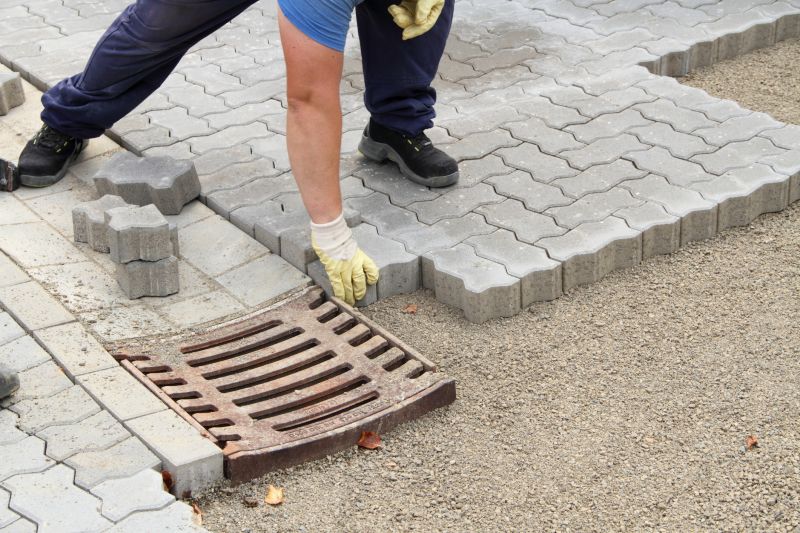
When evaluating service providers for interlocking pavers installation versus poured concrete for commercial properties, it is important to consider their experience with similar projects. Homeowners should look for local contractors who have a proven track record of completing installations comparable in size and scope to the intended project. This can include reviewing portfolios or asking for examples of past work to ensure familiarity with the specific demands of commercial settings. Contractors with relevant experience are more likely to understand the nuances of material selection, surface preparation, and installation techniques that contribute to a durable and visually appealing outcome.
Clear written expectations are another critical factor when comparing local pros. A reputable service provider should be able to communicate their process, timeline, and scope of work in a straightforward manner. This helps ensure that both parties share an understanding of what the project entails, reducing the risk of misunderstandings or unmet expectations. Detailed proposals or written estimates that outline the work involved, materials used, and any potential limitations can serve as valuable references throughout the project, fostering transparency and accountability.
Finally, reputable references and good communication practices are essential indicators of a reliable contractor. Homeowners should seek out local pros who can provide references from previous commercial projects similar in nature. Speaking with past clients can offer insights into the contractor’s professionalism, reliability, and quality of work. Additionally, effective communication-whether through prompt responses, willingness to answer questions, or clarity in discussing options-helps build confidence in the contractor’s ability to meet project needs. These qualities can contribute significantly to a smoother installation process and a final result that aligns with the property owner’s vision.
Property owners often search for interlocking pavers vs. poured concrete for commercial properties when they are planning practical projects around their homes and businesses. Local pros provide Interlocking Pavers Installation services for everyday jobs and straightforward project options.
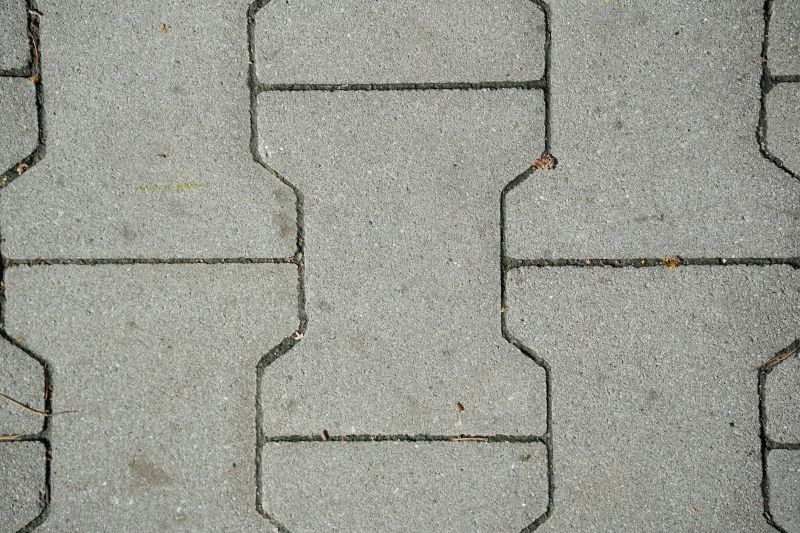
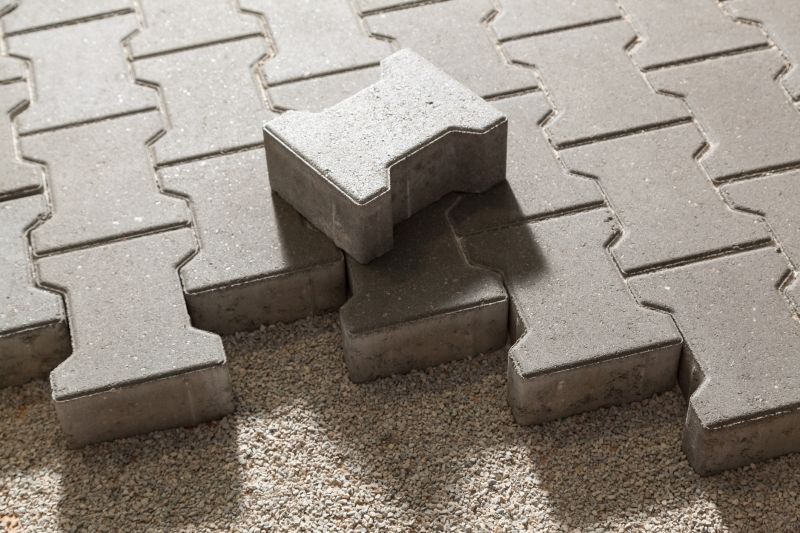
When considering surface options for commercial properties, property owners often weigh the benefits of interlocking pavers versus poured concrete. Interlocking pavers are known for their durability and aesthetic appeal, making them a popular choice for walkways, parking lots, and outdoor plazas. Local contractors who specialize in interlocking pavers installation can provide guidance on how these pavers can enhance the look and functionality of commercial spaces, especially in areas prone to heavy foot or vehicle traffic. Poured concrete, on the other hand, offers a smooth, seamless surface that can be quicker to install and easier to maintain, which may appeal to property owners seeking a straightforward, long-lasting solution.
Many property owners seek out information about these two options to determine which best suits their needs for durability, maintenance, and appearance. Local service providers can help evaluate factors like climate, usage patterns, and design preferences to recommend the most suitable material. For those interested in the visual versatility and potential for easy repairs, interlocking pavers installation services can be a practical solution. Conversely, for projects requiring a more uniform surface with minimal joints, poured concrete might be considered, with local contractors able to handle the installation efficiently. Connecting with experienced local pros can help property owners make informed decisions tailored to their specific project requirements.
What are the main differences between interlocking pavers and poured concrete for commercial properties? Interlocking pavers consist of individual units that can be replaced if damaged, offering flexibility and easier repairs. Poured concrete creates a continuous surface that is more uniform but may crack over time. Local contractors can help evaluate which option suits specific property needs.
How does durability compare between interlocking pavers and poured concrete? Interlocking pavers tend to be more durable under heavy traffic and shifting ground, as they can move slightly without cracking. Poured concrete is strong but may develop cracks with ground movement or temperature changes. Local service providers can recommend the best choice based on the property's conditions.
Are maintenance requirements different for interlocking pavers versus poured concrete? Interlocking pavers generally require periodic joint re-sanding and cleaning, but individual units can be replaced easily. Poured concrete needs sealing and may require crack repairs over time. Local contractors can provide guidance on ongoing maintenance for each option.
Can interlocking pavers or poured concrete be customized for commercial property aesthetics? Yes, interlocking pavers offer a variety of colors, shapes, and patterns that can enhance visual appeal. Poured concrete can be stained or stamped for decorative effects but has fewer pattern options. Local installation professionals can help achieve the desired look.
Which option is better for areas prone to ground movement or freeze-thaw cycles? Interlocking pavers are typically better suited for areas with ground movement or freeze-thaw cycles because they can shift without cracking. Poured concrete may be more susceptible to cracking under these conditions. Local contractors can assess site-specific factors to recommend the best solution.
Durability Considerations - Property owners can evaluate the long-term wear of interlocking pavers versus poured concrete for commercial properties by consulting local contractors experienced in installation.
Design Flexibility - Business owners seeking versatile aesthetic options can explore how interlocking pavers offer customizable patterns compared to poured concrete surfaces with local pros.
Maintenance Needs - Managers aiming for easier upkeep can discuss maintenance requirements of interlocking pavers versus poured concrete with local service providers.
Installation Process - Commercial property owners planning renovations might consider how the installation process differs between interlocking pavers and poured concrete, guided by local contractors.
If you are thinking about interlocking pavers vs. poured concrete for commercial properties for a property, this guide is meant to help you understand this topic, the typical project types, and how different options might fit your plans.
When you are ready, you can use the quote form on this page to share a few details about your project. From there, local pros can review the basics and follow up with options that match what you have in mind.